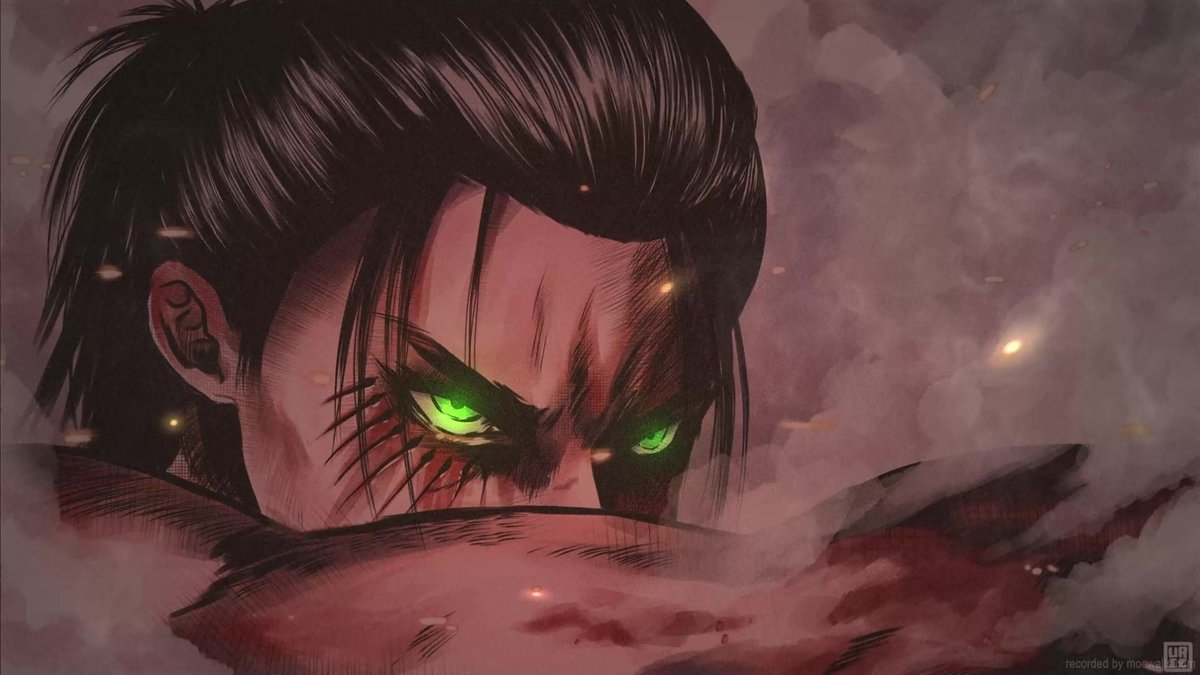
Few characters in anime history have ignited as much debate and introspection as Eren Yeager from Attack on Titan and Light Yagami from Death Note. Both protagonists, initially driven by noble intentions, eventually transform into figures of immense power, wielding the fate of the world in their hands and redefining what "justice" truly means. This super pillar hub delves into the compelling parallels and stark contrasts between these two iconic anti-heroes, inviting you to explore the profound philosophical questions their journeys raise.
At its core, this comparison isn't about placing Eren directly into the world of Death Note, but rather examining how his actions, motivations, and ultimate sacrifice mirror or diverge from the narrative themes of Light Yagami. Both Eren and Light envision a "better world," yet their methods lead to unfathomable destruction and force us to confront the terrifying implications of absolute power and a singular vision of morality. Were they saviors driven to extremes, or tyrants consumed by their own ideologies? Let's unravel this complex tapestry.
The Architect of Freedom: Eren Yeager's Transformative Path
Eren Yeager’s evolution throughout Attack on Titan is a saga of tragic destiny. What began as a desperate quest for vengeance against the Titans, driven by personal loss, slowly warped into a horrifying realization: to protect his loved ones and achieve true freedom for Eldia, he would have to become the world's greatest enemy. His path culminates in the Rumbling, an apocalyptic event where countless Colossal Titans are unleashed to flatten the world outside Paradis Island.
This extreme measure, as revealed in the anime's conclusion in November 2023, was Eren's method for breaking the 2,000-year-old Curse of the Titans. He manipulated events, using the Attack Titan's unique ability to see and influence the past and future, all to guide Ymir Fritz, the progenitor of all Titans, toward her ultimate liberation. By forcing Mikasa to kill him—the person she loved most—Eren freed Ymir from her eternal servitude to King Fritz, thus eradicating the Titans forever. This calculated, devastating act paints Eren as a figure willing to sacrifice everything, including his own humanity and life, for a future he believed necessary.
The Arbiter of a New World: Light Yagami's Divine Ambition
Contrast Eren's predetermined, world-altering path with Light Yagami's direct, individualistic approach. Upon discovering the Death Note, Light, a brilliant but disillusioned high school student, saw an opportunity to purge the world of criminals and become its new "god." He believed that by eliminating those he deemed unworthy, he could create a utopian society free from crime and suffering.
Light's "justice" was swift and absolute, but also chillingly subjective. He took on the persona of "Kira," inspiring both fear and fervent worship. His ambition wasn't about breaking a historical curse, but about actively judging every individual, deciding who lives and who dies based on his own strict moral code. This deliberate, calculated murder of individuals, rather than a single cataclysmic event, defines Light's ruthless pursuit of his ideal world.
Ideologies in Collision: Means, Ends, and Moral Absolutes
The most striking point of comparison between Eren and Light lies in their clashing ideologies and the methods they employ to achieve their desired outcomes. Eren, burdened by the weight of a predetermined future and a seemingly inescapable cycle of hatred, chose to become a devil for the sake of his friends and the greater, long-term freedom he envisioned. His justice was rooted in the collective survival and breaking of an ancient curse, even if it meant sacrificing billions.
Light, on the other hand, actively chose his path from a position of relative freedom. He saw himself as the righteous hand of judgment, purifying the world one criminal at a time. His justice was personal, immediate, and sought to enforce a perfect moral order through fear and execution. To truly appreciate the nuances of their motivations and the horrific beauty of their tragic arcs, we recommend diving deeper into .
The Unbearable Weight of Power and Moral Quagmires
Both Eren and Light are thrust into positions of unimaginable power, each grappling with (or succumbing to) the corrupting influence it wields. Eren, with the Founding Titan and Attack Titan's precognitive abilities, sees the future and feels compelled to follow it, even as it leads to genocide. He becomes a slave to his own predetermined path, his initial cries for freedom twisting into a grim acceptance of his role as the world's destroyer. His internal struggle, particularly in his final conversation with Armin, highlights the immense personal cost of his actions.
Light, conversely, embraces his power with zeal, never truly questioning the morality of his actions, only the efficacy. The Death Note bestows upon him the ultimate authority, turning him into a judge, jury, and executioner. This god-like status slowly erodes his humanity, transforming him into a cold, manipulative figure who sees dissent as a threat and life as expendable in his grand scheme. For a deeper exploration of the ethical quagmires they both navigate, consider .
Tyrants or Saviors? The Enduring Legacy of Their Actions
How will history remember Eren and Light? Both firmly believed they were working towards a better world, a world free from the suffering they witnessed. Yet, their actions led to widespread death and devastation. Eren’s Rumbling, while ending the Titan curse, decimated most of humanity and left Paradis vulnerable to future conflicts. He sought to secure freedom for his friends but left a world scarred by unimaginable horror. Was he a necessary evil, a tragic hero, or a monstrous tyrant?
Light's "new world" achieved a dramatic drop in crime rates, but it was built on fear, surveillance, and the arbitrary judgment of one man. His vision of peace was maintained through terror, creating a society where the rule of law was replaced by the whims of Kira. Ultimately, both protagonists failed to achieve a truly lasting peace, their legacies forever mired in the blood they shed. To understand the complex perspectives on their ultimate impact, you'll want to read more about .
Fate, Free Will, and the Grand Design
Perhaps one of the most compelling philosophical intersections between Attack on Titan and Death Note is the interplay of fate and free will. Eren's journey is heavily influenced by his ability to see the future and manipulate past events. He often feels he is merely a passenger on a path already set, a slave to the future he's witnessed. His agency is constantly questioned, making his "freedom" a deeply ironic and tragic concept.
Light, on the other hand, believes entirely in his own free will, his intellect, and his ability to shape the world according to his desires. He actively engineers events, always seeking to outmaneuver his opponents and solidify his control. Yet, one could argue that even Light was a pawn, albeit a willing one, in Ryuk's game, or that his predictable descent into megalomania was its own form of destiny. For a thorough examination of these powerful concepts, make sure to check out .
Ultimately, the stories of Eren Yeager and Light Yagami challenge us to look beyond simplistic notions of good and evil. They force us to grapple with the uncomfortable truth that even the noblest intentions can pave the way to hell, and that the quest for a perfect world often demands an unbearable price. Dive into each supporting pillar to continue this fascinating comparison and decide for yourself where these complex characters truly stand in the pantheon of anime anti-heroes.